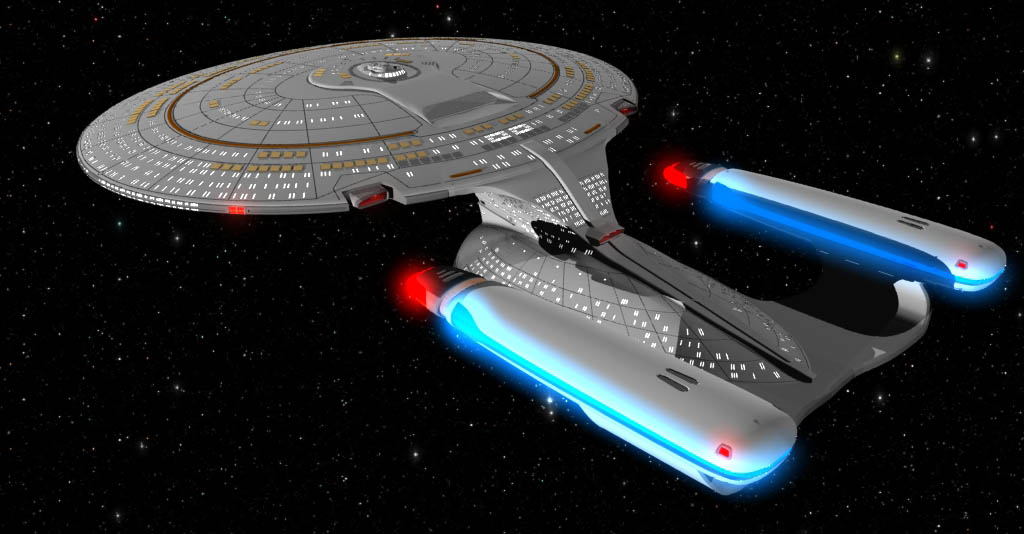
The radius of the station in the rendering appears to be closer to 100m:
100m = 9.8m/s ^2 / X rad/s
X = 1.04 rad /s
1.04 radian per second is just about 10 revolutions per minute!
If the average person is 2m tall,
98m = Xm/s ^2 / 1.04 rad/s
g = 9.7 m/s^2
That’s about a 1% difference in gravity. That might not seem like much, but Mt Everest is 8,848m and the radius of the Earth is 6,371,000m, so that’s less than 1% too. Imagine doing the gravitational equivalent of climbing Mt Everest every time you stand up!
Actually it’s 150m in radius and rotates 2.44 times per minute and will generate 1G on the lowest floor, which is on the site.
Also, the disorientating effects of simulating gravity using rotating wheels decrease as the diameter of the rotating structure increases. Ark I’s habitat rings will be large enough to make these effects unnoticeable and to comfortably house each rings 250 occupants, but not so large as to make construction too difficult.
The effects of the corilois force, which essentially comes from the difference in the tangential velocity at different radius, is also diminished as the size of the structure increases and the rotational rate decreases, and at this size is also below the threshold of perceptability. In small quickly rotating structures, if an astronaught turns their head rapidly to one side, the inner ear on the leading side will have a higher tangential velocity, and the inner ear on the trailing side will have a lower, the brain interprets this as suddenly tilting your head sideways, again, a large enough ring, even if rotating fast, makes this effect unnoticeable (although if you are playing catch you might have some problems)
Instead of throwing out vague ideas, how about present some of the data showing what optimal rates are and the threshold of perception levels for these things are. Might want to start here - http://www.spacefuture.com/archive/inhabit…l_gravity.shtml
Since this topic originated on 3D objects, here is my latest project, a very high detailed model of the Enterprise D from Star Trek. Modeling is done, but still need to do lighting and surfacing. Much higher res images are on the site
http://www.matus1976.com/3d/Star_Trek/Ente…eD/in_progress/
 The hallway had better have sturdy handrails and non-slip flooring!