You said a lot Don, so I’m responding to the overall ideas you conveyed. I’ve nothing to add to 2046’s post, the post is a good summary of my thoughts.
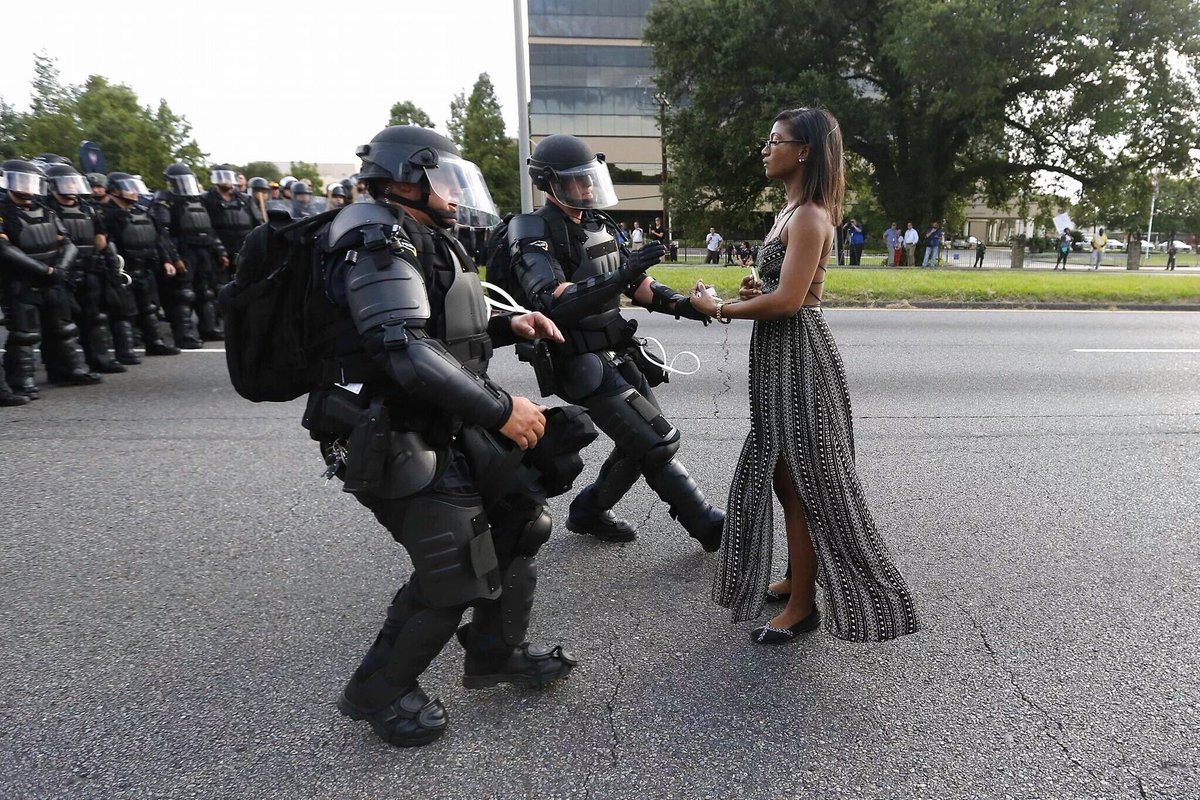
There isn’t only peaceful or physical force means of political change. I think it’d be short-sighted to stick to those options. There are powerful actions to take which pull at social norms of acceptability. By silencing, I mean something like this: https://www.youtube.com/watch?v=w211KOQ5BMI. Not peaceful, but not violent either, all while making a clear message of protest. It would silence a dissenting opinion for sure, but if the dissenting people are emotionalists or all around irrational, I see no moral advantage to still talk to them by persuasion and substantive argument. I emphasize “dissenting people” there, as some dissenters are quite rational - people I deem to be mistaken due to differing knowledge I’d make sure to be a voice of reason towards them.
I said before persuasion is a necessary piece of political success. You must remember though that the dissenters are also attempting persuasion, at least some recruitment. If a Trump rally was filled with people shouting to deport all illegals and muslims, going in to persuade them otherwise would be fruitless. It seems like you would opt to do nothing directed at the rally. Write an article, maybe. Why not -add- something more? Trump supporters aren’t fringe moonbats, it’s a real thing, so a protest like playing music really loud looks pretty wise. It takes careful judgment to do it properly. Importantly, it suggests moral strength, pride. Prideful that you can push back against irrationality.
You’re right that “going Ragnar” could be suicidal. That’s an argument about strategy. Most of what you said was aimed at moral opposition non-persuasion, except in a dire situation like living under tyranny. The only justification for that belief I can think of is Rawlsian reflective equilibrium. To be more specific, it’s thinking that people start with a set of beliefs, and being faced with dissenting beliefs leads one closer to agreement or the truth. Society would eventually reach equilibrium through gradual give and take. So if you agree with that, it wouldn’t make sense to use non-persuasion. Is that something you agree with? Whichever your answer is, please tell me in more detail your moral basis to your stance. So far, it sounds like your arguments are about preferring not to get up and yell sometimes, or a psychological argument that it’d repel dissenters (optics, as you phrased it).
“In that context then, the key question is not: “how do I change society”, but “how do I achieve personal happiness”.” -sNerd
To me, it’s the opposite. I’ve always been focused on personal improvement of myself. Because of that, I see actions besides persuasion as really important. It leads me to supporting more short-term actions than only long-term strategies. I’d totally set up a protest filled with loud music. Not to persuade people per se, or to pull people to my side, but to bring change faster and effectively. Change is possible in our lifetimes. Well, not if we -only- play the long-game.