As a continuation of this comment and response to the following statement:
On 12/13/2024 at 6:26 PM, Harrison Danneskjold said:
Still, there are parts of the world which still haven’t really industrialized. There may be the odd car here or there, certainly, but plenty of people in our interconnected world (who are living in the modern era) do not benefit from any of the technological advances we’ve made in the past few centuries.
I benefited from anti-Western movements in Kerala. The reason you have property rights (enforced by your government) is different from the reason I have property rights. You may have property rights as a result of renaissance but I have property rights as a result of anti-Western, anti-caste, anti-imperialist and anti-colonial political movements in Kerala. Anti-Western movements here aren’t against European renaissance or technology. Renaissance helped establish inclusive institutions in Europe and were good for Europe. That is not the issue.
Kerala was one of the most casteist, feudal and poorest states in India during British rule:
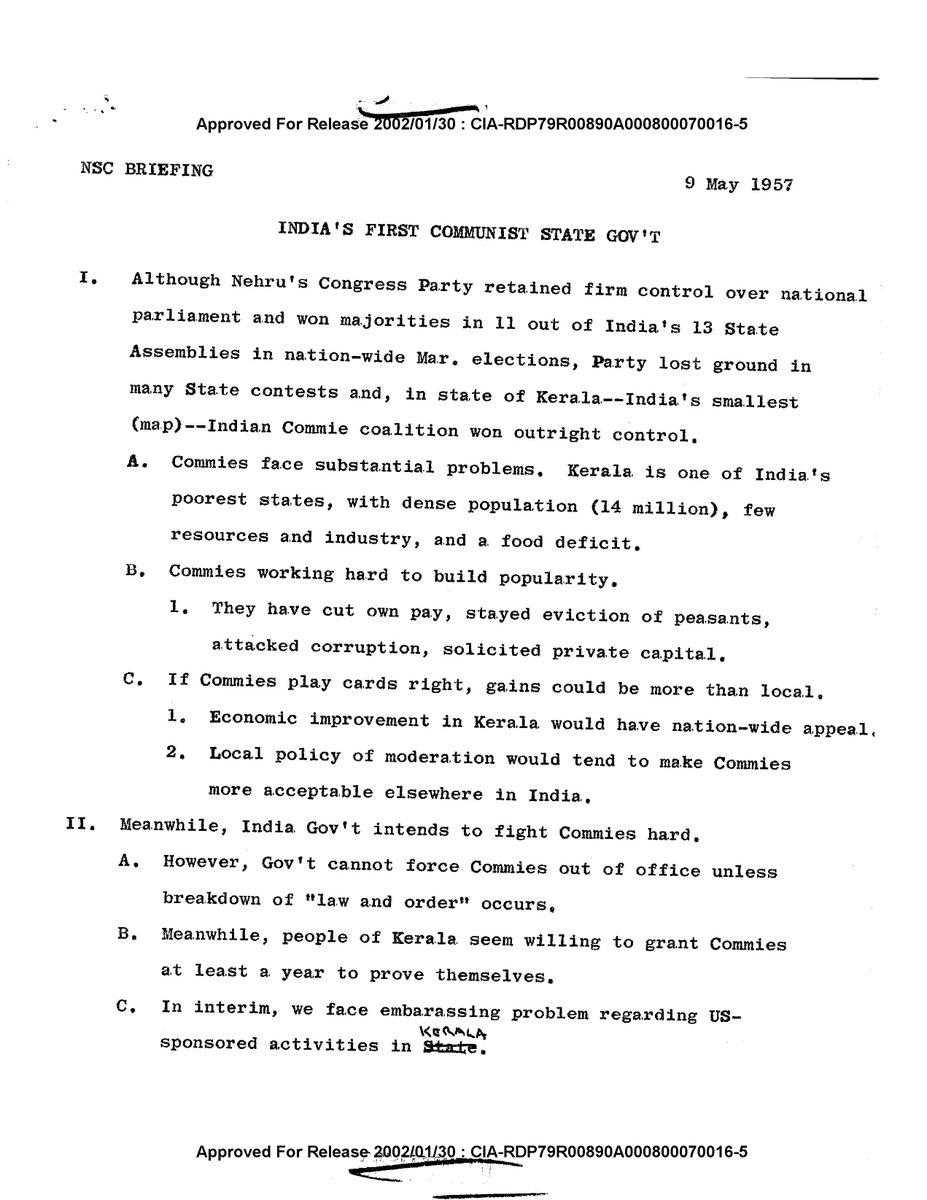
Upper caste Hindus (Brahmins, Nairs) and upper caste Christians (Nasranis / St Thomas Christians) formed the aristocracy in Kerala (known as Jenmi) while lower caste Hindus (Ezhava, Pulaya, etc) and Muslims (Mappila / Mopla) formed the tenant class during British times. There were many protests in Kerala even before independence against the ruling aristocracy (Jenmis) of Kerala and the British, which later consolidated itself into the communist movement. There was the Vaikom Satyagraha and Temple Entry Proclamation among others. There was a communist, anti-feudal rebellion led by Muslims (Malabar Rebellion, led by people like Variyankunnath Kunjahammad Haji) against Jenmis, which was crushed by the British.
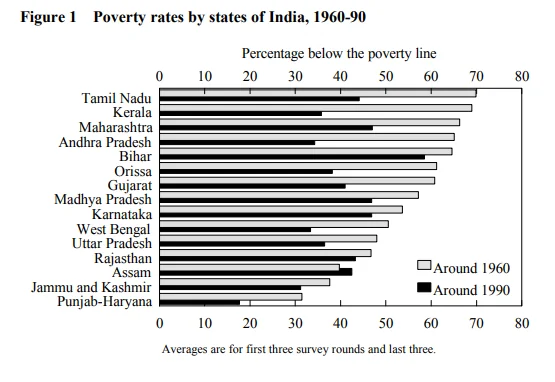
Anti-Western and anti-caste movements in Kerala eventually led to the creation of the most dominant political party in Kerala, the Communist Party of India (Marxist). They created the inclusive institutions in Kerala that led to rapid expansion of prosperity in Kerala in the last 30 years. Land redistribution was passed in 1969 and property rights were established in the 1970s. Kerala went from being one of the poorest states in 1960 to having one of the lowest poverty rates today:
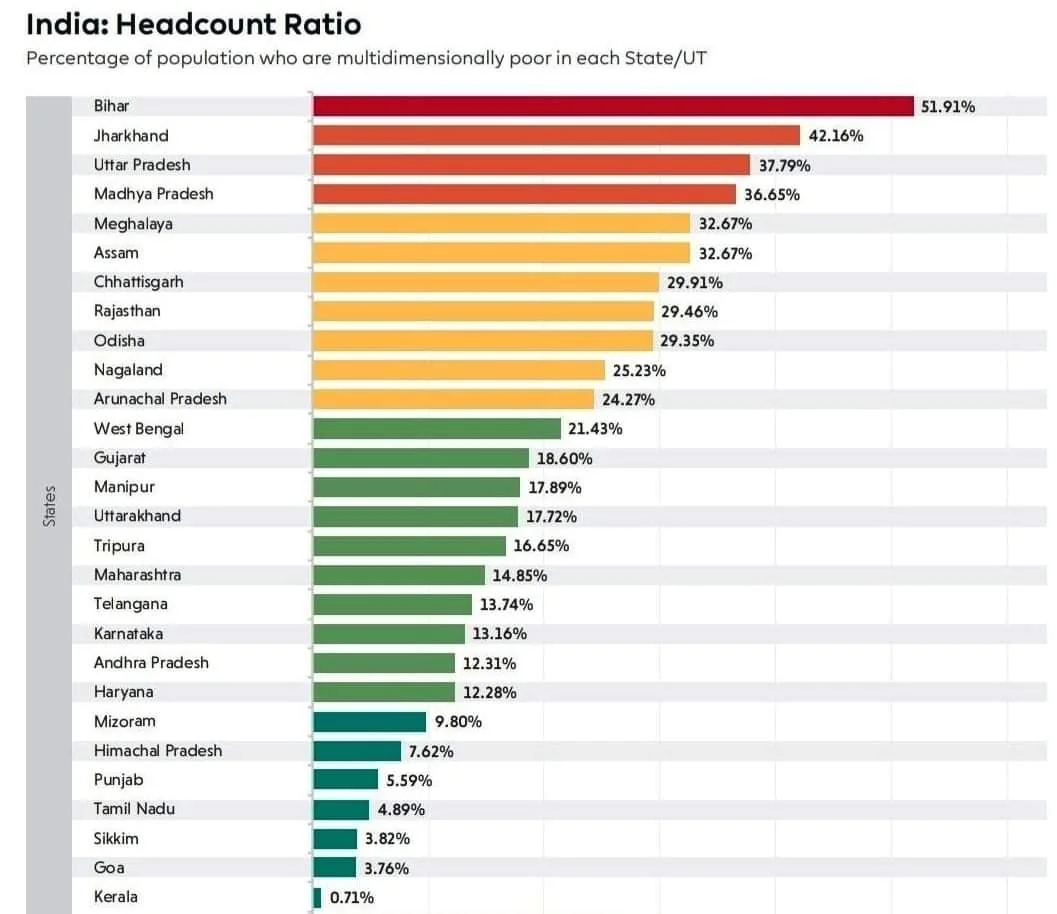
Among states in India, Kerala has the second highest HDI (Human Development Index), fourth lowest infant mortality rate (lower than many US states), is the least corrupt state, the highest gender equality (others in the list aren’t states), highest literacy rate, highest life expectancy, one of the lowest rates of hunger and nutrition deficiencies, the lowest rate of childhood stunting.
Kerala has one of the highest car ownership, the largest houses, the lowest homicide rate (less than half the average of India and more than 6 times lower than the US), the lowest wealth inequality, the highest rural incomes, highest levels of urbanization, has the lowest percentage of the population in the poorest 2 quintiles of India (only 3% of Kerala’s population is among the poorest 40% of Indians).
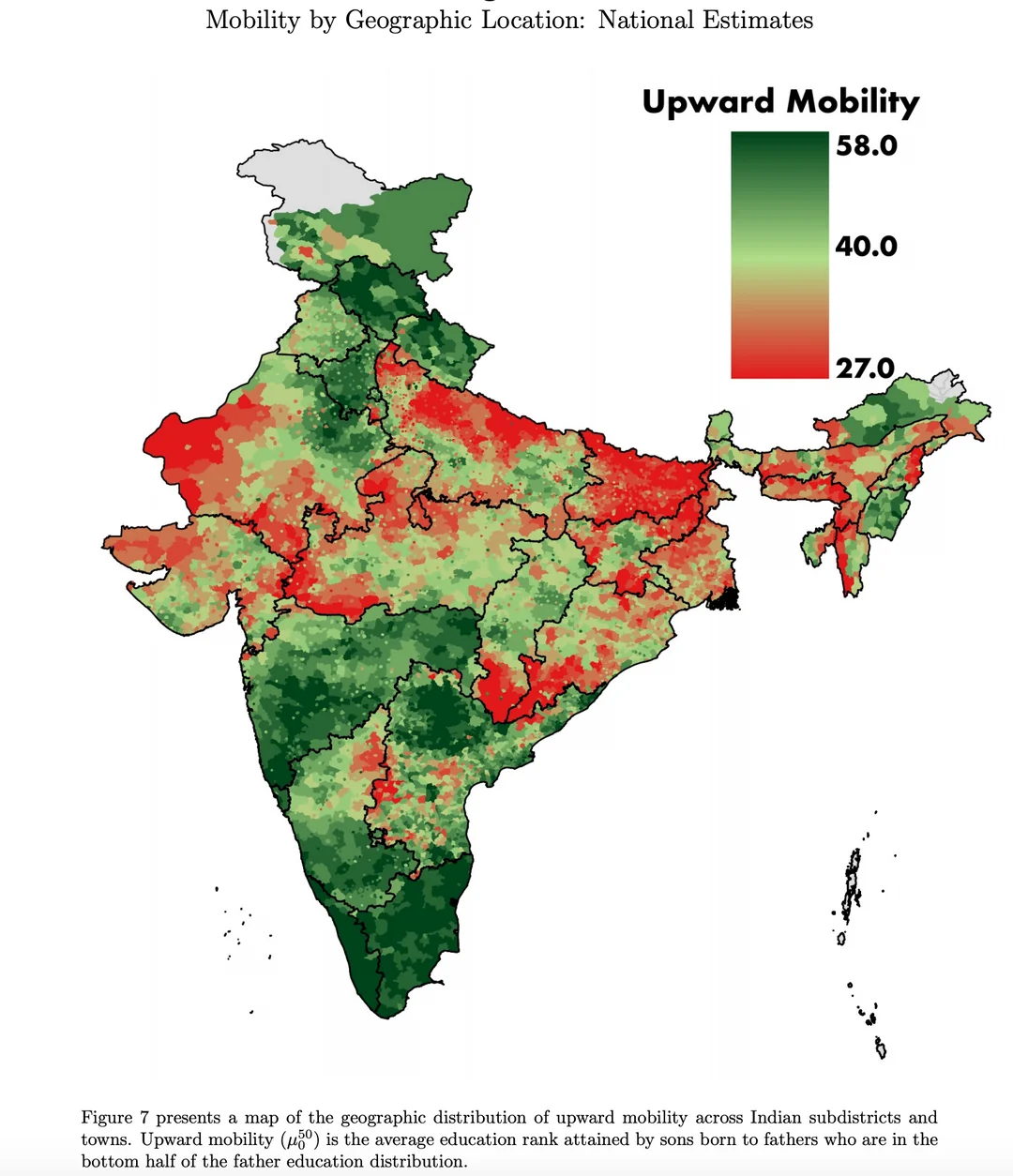
Kerala has the highest social mobility in India:
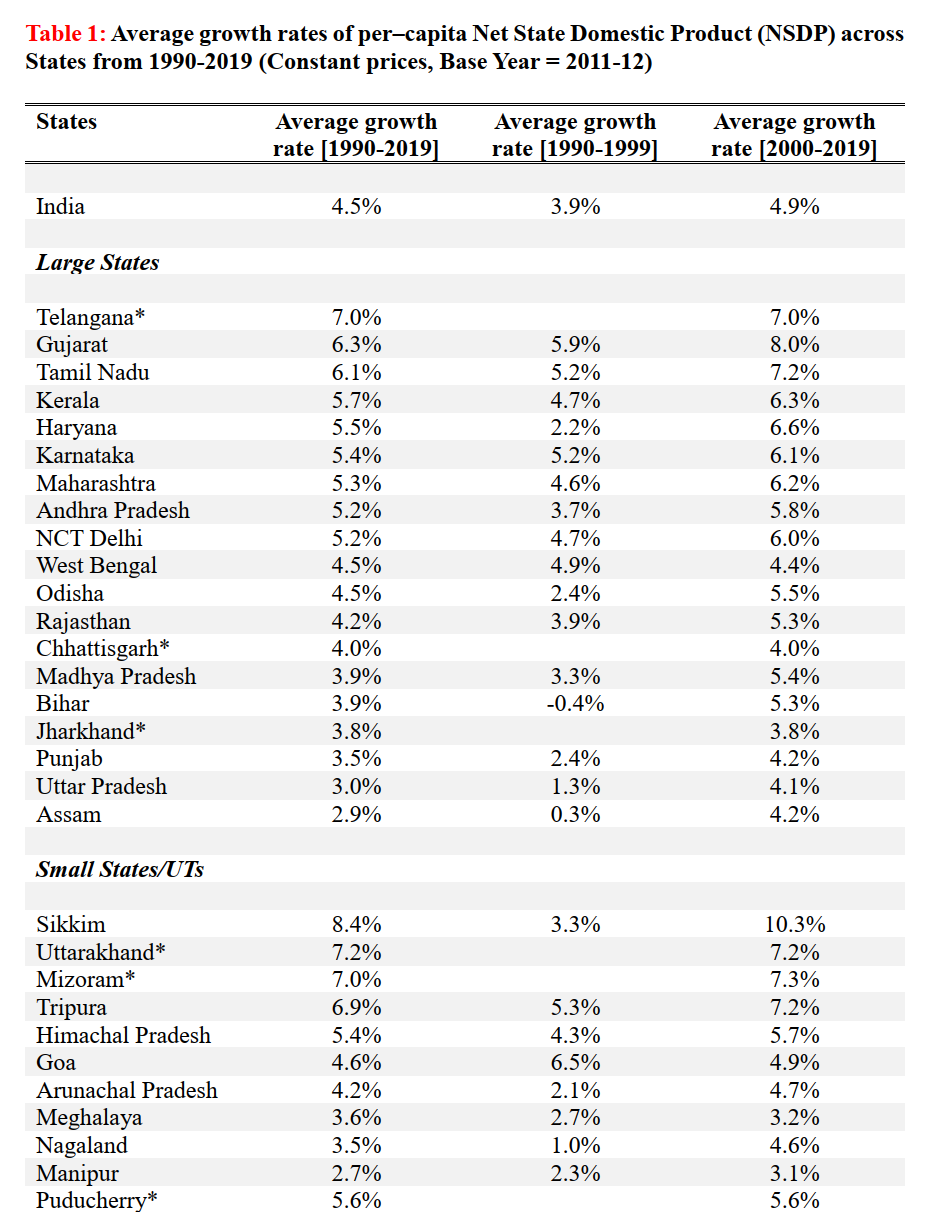
Kerala has the highest food safety standards, highest access to improved sanitation (lakshadweep is not a state). Kerala had the third highest GDP per capita growth among large states between 1990 and 2020:
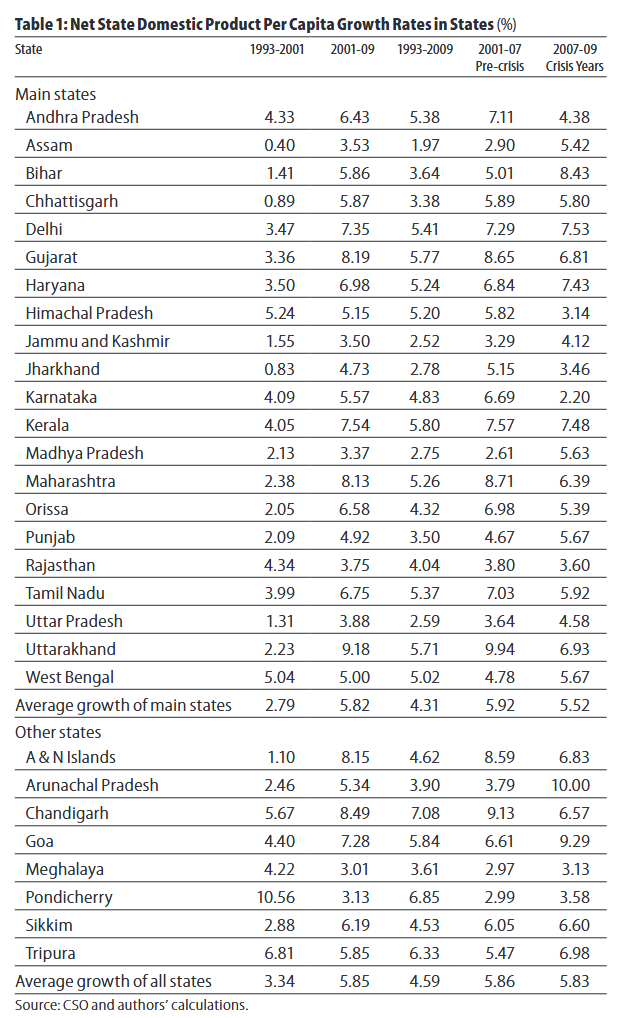
Kerala had the highest GDP per capita growth among large states in another period analyzed by this paper:
Kerala has the highest road density, is one of the densest states in India (3 times denser than India, more than 20 times denser than the US), has one of the highest forest covers for a dense state, is one of the few states in India where beef is legal, has the second lowest population growth, is the most religiously diverse state in India (55% Hindu, 26% Muslim, 18% Christian), had the lowest death rates during Covid (and the only oxygen surplus state during covid), the highest percentage of solved cases of missing people, is the only state in India with a normal sex ratio, has one of the best police and court systems in India, has the second least gender vulnaribility, has the lowest percentage of people living in slums (despite being one of the most urbanized).
The point is that the inclusive institutions built by the communist party has actually worked and this was an explicitly anti-Western, anti-feudal and anti-caste movement. Kerala went from being the second or third poorest state to one of the most prosperous in roughly 30-50 years (but still has many problems). Kerala (the state with 35mil people) has lower poverty rates than even Mumbai or Delhi. This has nothing to do with renaissance or Europe or the West. Kerala is actually one of the first democratically elected communist governments in the world and charted out its own trajectory of creating inclusive institutions.
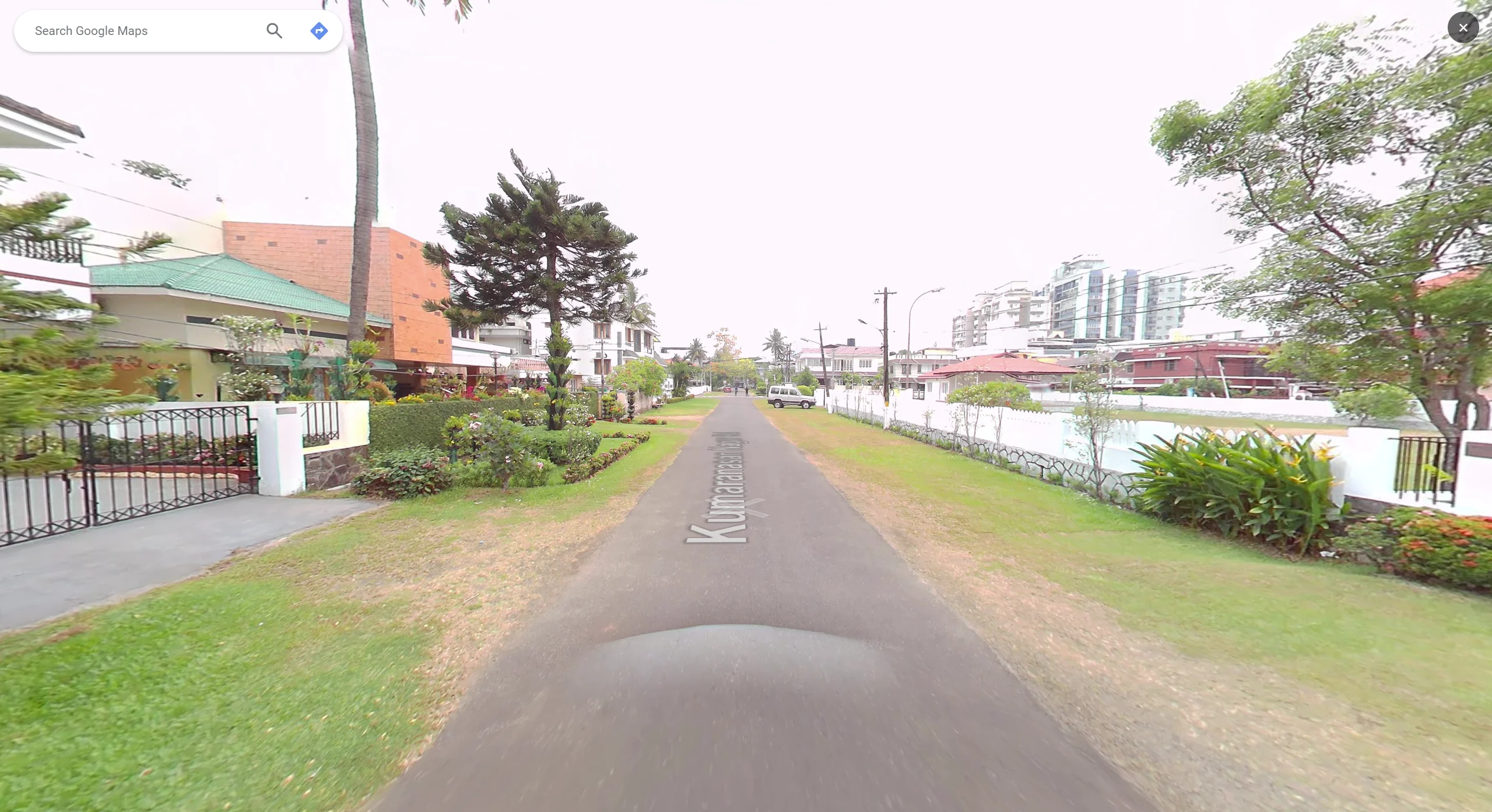
People in Kerala have high access to credit due to high land ownership, which people use to obtain loans for building houses, businesses and for pursuing education. A lot of Kerala has very large houses from loans accessed by using land redistributed by communists as security. Over the last 30 years, people have been building mansions in cities:
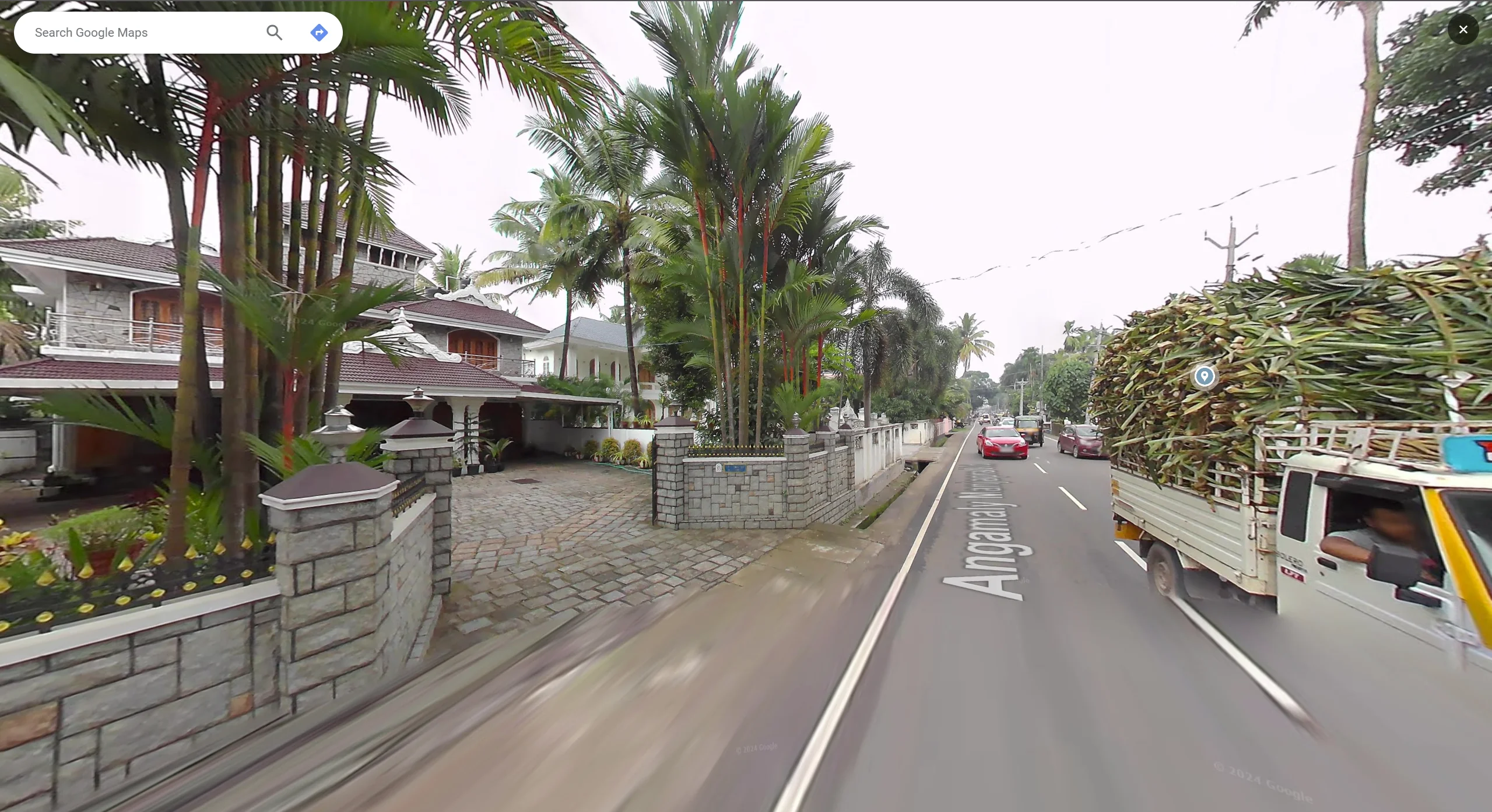
and mansions in towns:
and mansions in villages:
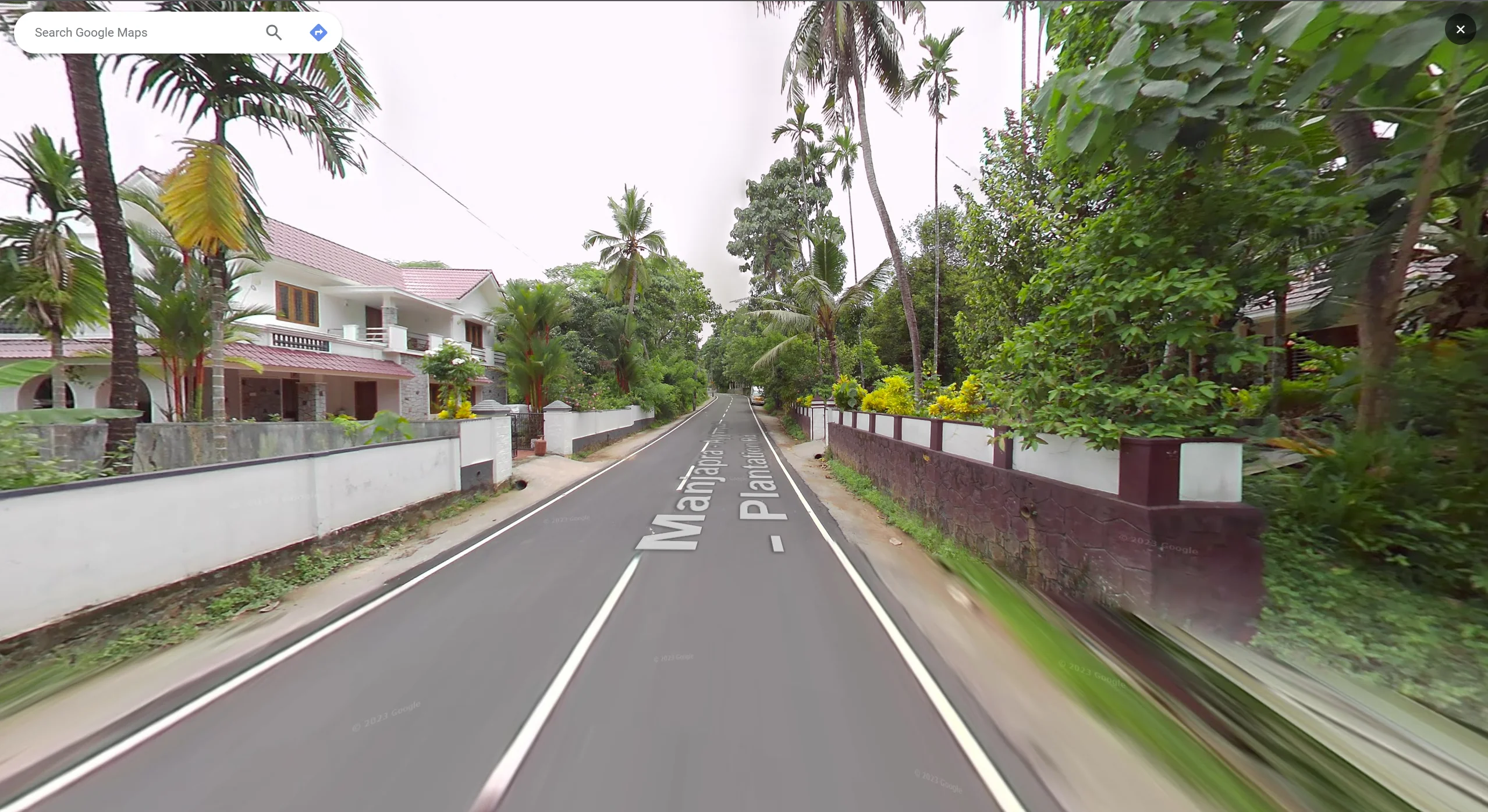
Lots of people In Kerala are experiencing prosperity for the first time. Kerala is still a very poor state with a GDP per capita of $4300 (2024), 20 times lower than the US and still has many problems. Kerala still needs to do a lot to fully industrialize. However, Kerala changed drastically in the last 30-50 years after land redistribution. India was one of the poorest countries in the world in 1960 and Kerala was even poorer than that. However, inclusive institutions (built by anti-Western political movements) have kick-started development in Kerala. It has only been a few decades since Kerala (and people from my caste) even had property rights but it has already changed dramatically.
On the other hand, the most resource rich state in India (Jharkhand) has extremely poor development. They have child labourers, most of their environment has been ravaged by mining and nobody knows where TF their money is going:
https://www.youtube.com/watch?v=UzivaxYf1iM
https://www.youtube.com/watch?v=7D-gyH88JPM
https://www.youtube.com/watch?v=Snjl7ss2OQ4
Jharkhand is a good example of a state with extractive institutions with extremely poor levels of development.
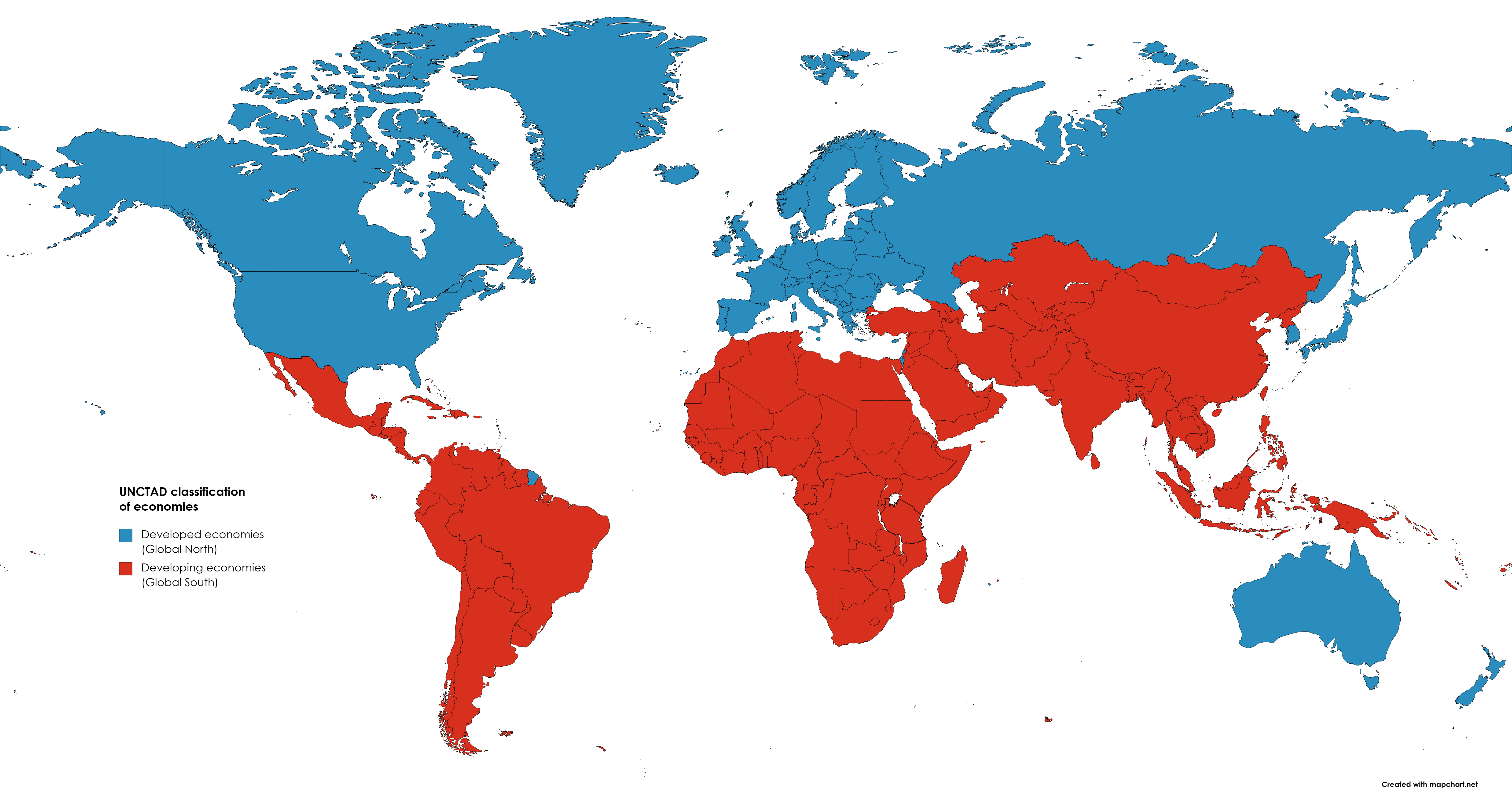

 Now that right there is a proper reduction to the essentials.